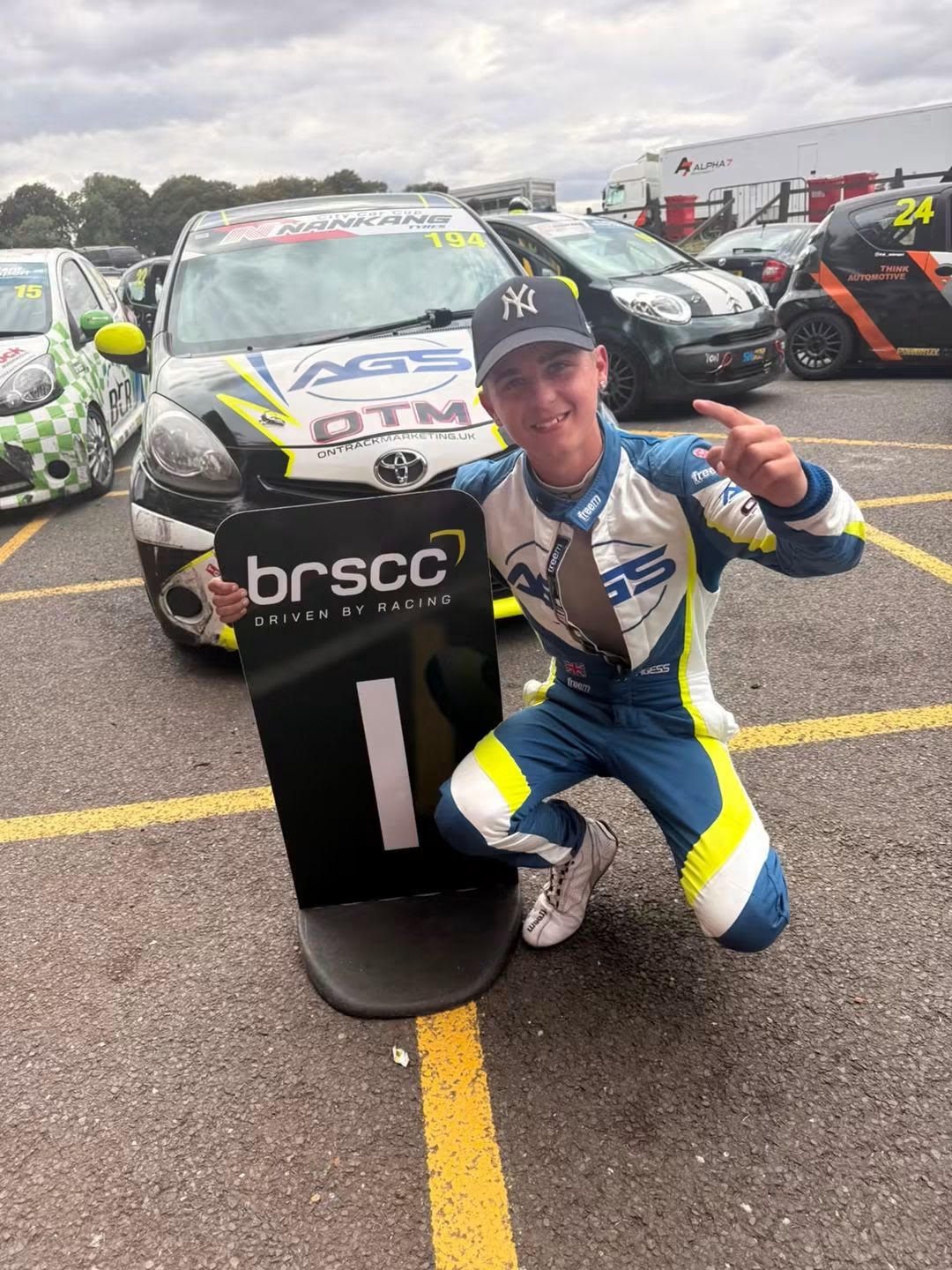
Let me tell you, there is literally nothing else on earth like the feeling you get right in the pit of your stomach when you finally pull that visor down.
When you're sitting on the grid, you've got two dozen engines revving up all around you, and the noise is just absolute madness. It's so loud you don't just hear it in your ears; you feel it vibrating right through the chassis, up through the bucket seat, and into your ribs. The whole place stinks of high-octane fuel and hot rubber, and you're just staring dead ahead at the gantry, waiting for those five red lights to pop on. For those few agonising seconds before the lights go out, the rest of the world just completely disappears. Everything goes quiet in my head. All the stress from the week, the chaos of the paddock, the pressure of trying not to bin the car in front of everyone, it all just evaporates.
Making the massive jump from local karting tracks into national car racing over the last few years has been a completely wild, chaotic and mega ride. But for me, motorsport isn't just about going fast or having cool trophies in my bedroom. It's about proving a point. It's about showing everyone that living with Autism, ADHD and Tourette's doesn't mean you have to sit on the sidelines. To be honest, once I'm strapped into a race seat, those things aren't just labels any more. They're basically my superpowers.
Here is exactly how I got here, from the very first time I sat in a kart, to racing door-to-door with the adults today.
The karting years: where it all started
Long before I ever learned what an apex was or how to read a telemetry graph without getting a headache, the world used to feel pretty overwhelming. I got diagnosed with Autism, ADHD and Tourette's when I was a kid. For someone with a brain wired like mine, sitting in a bright, noisy school classroom for six hours a day is pretty much a nightmare. Think about sitting in double maths on a Tuesday morning: the harsh fluorescent lights are buzzing, thirty kids are talking over each other, chairs are scraping on the floor, and I'm just trying to keep my tics under control while trying to focus on a whiteboard. It was endlessly frustrating. I had all this intense energy and I knew I could focus on things if I actually cared about them, but I didn't have anywhere to put that energy.
Then I sat in a go-kart for the first time.
I'll literally never forget it. You'd think the brutal speed and the deafening noise of a 2-stroke engine would be sensory overload, but it did the exact opposite. It completely quieted my mind. The track made sense. Physics is just physics: if you brake too late, you lock up and go on the grass. If you get on the power too early, you spin. The track gave my brain a set of rules I actually understood. It was this crazy, high-speed environment where my hyper-senses weren't a distraction any more; they gave me an unfair advantage. I finally found where I belonged.
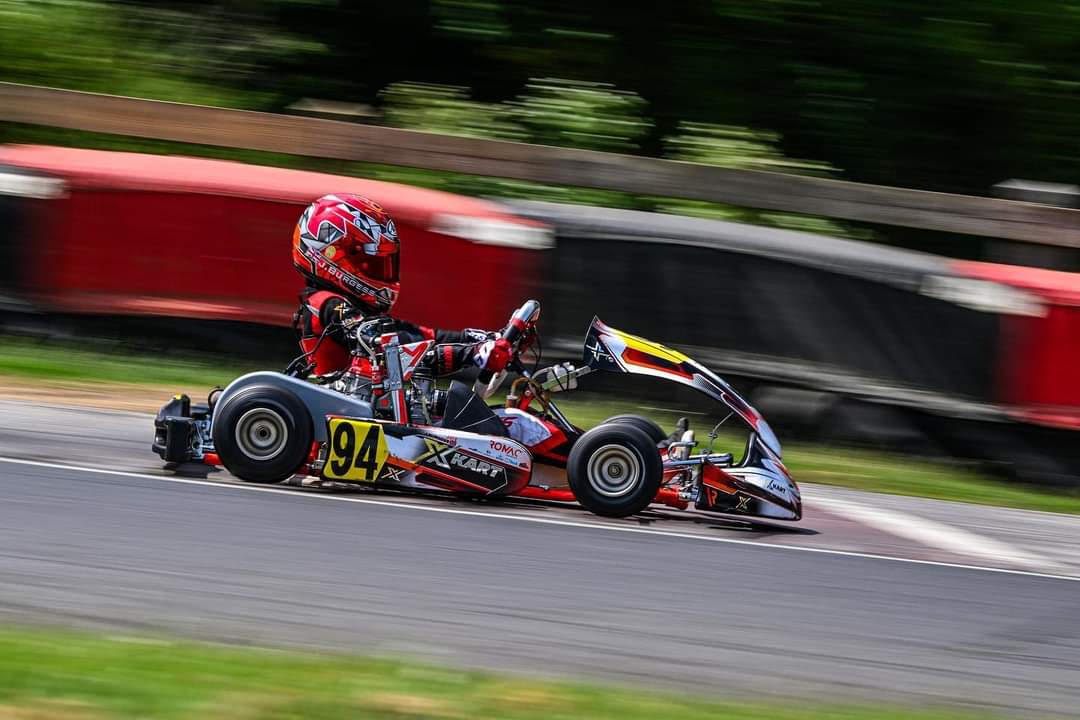
You can't just be fast and expect to make it in racing, though. You need the right people backing you up. I got unbelievably lucky when I met Matty Street. He's an insane driver, but more importantly, he's neurodiverse too. Having a mentor who just got it, who didn't look at my ADHD or Autism as an excuse but just as a different way of operating, changed my life. Under Matty's wing, I signed with the XKART team.
That is where I properly learned how to race. We didn't just mess about at local club days; we took it straight to the national stage in the Junior Kart Championship (JKC). Karting at that level is absolutely ruthless, with a full season costing anywhere between £40,000 and £45,000. You're sitting about an inch off the floor, fully exposed to the freezing UK weather, going wheel-to-wheel with the fastest kids in the country. It demands everything. It meant turning up on freezing Sunday mornings in November, getting battered by the rain, nursing bruised ribs, and staring at laptop screens trying to find a tenth of a second through sector two.
But all that grinding paid off big time. The absolute highlight of that era for me was finishing fourth overall in the Whilton Mill Championship. Anyone who knows UK karting knows Whilton Mill is a bloodbath. It's one of the most aggressive grids out there. Getting a top-four finish in that championship proved to myself, and to all the doubters, that I deserved to be there.
Around that time, a camera crew started following me around for a documentary series called Driven Dreams. Having cameras shoved in your face while you're trying to prep for a race is weird, I won't lie. But it was brilliant because it showed the raw, unfiltered reality of what it's like racing as a neurodiverse kid. It showed the meltdowns when things went wrong, and the absolute buzz of winning. Reading messages from people who watched it and said, "Hey, my kid has Autism too, and this gives us hope," was the moment I realised this wasn't just a hobby any more. I had to go all the way.
The Fiesta years: the big jump to cars
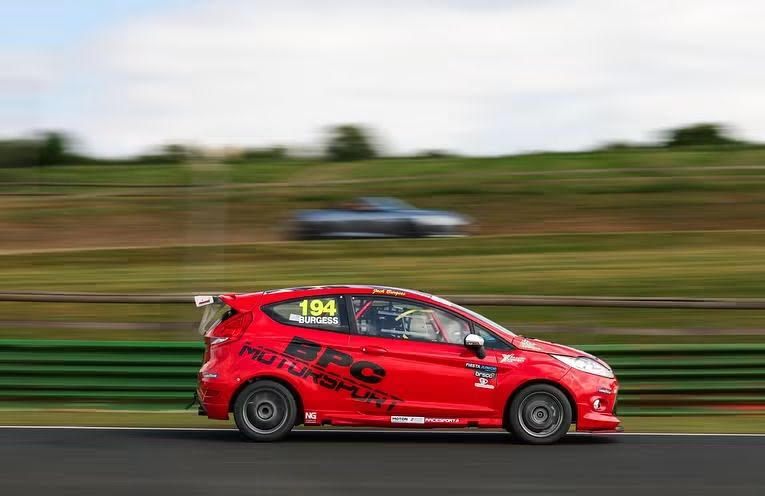
You can't stay in your comfort zone forever. When I turned 14, it was time to leave the karting paddock behind and make the massive step up to full-sized tin-top race cars. We entered the BRSCC Fiesta Junior Championship.
To say it was a massive reality check would be putting it lightly. Going from a kart that weighs practically nothing and reacts instantly, into a heavy, metal race car changed literally everything I knew about driving. Stepping up to run in the Junior Fiestas also meant securing a budget of between £50,000 and £70,000 for a season.
Suddenly, I had a roof over my head, a massive roll cage, and I had to learn how to use an H-pattern manual gearbox. Do you know how hard it is to learn heel-and-toe downshifting while trying not to crash into a wall at 80mph? It's mental. A heavy car doesn't just turn when you want it to; you have to shift the weight around, balance the brakes, and be super smooth with the pedals. You have to manage tyre temperatures and look after the brakes so they don't fade on the last lap.
Plus, the cars are huge compared to karts. Racing door-to-door meant I had to have way better spatial awareness so I wasn't taking my mirrors off on every lap. And the paddock? It was ten times bigger, way louder, and just pure chaos. Trying to explain complex car setups to adult mechanics and dealing with the media was a massive learning curve for my autistic brain. There were days when the noise in the awning felt like way too much. But the second I strapped into the bucket seat and plugged my radio in, that hyperfocus snapped right back.
Over two proper intense seasons in the Fiesta Juniors, I proved I had the exact same fire in a car as I did in a kart. I wrestled that Fiesta, trusted my gut, and fought at the front of the pack. I took race wins, smashed some lap records, and proved I could hang with the absolute best junior drivers in the UK. Standing on the top step of the podium, holding a massive trophy, and setting times the older kids couldn't catch was the best feeling in the world. It proved that all those late nights watching onboard videos and trying to figure out weight transfer were actually worth it. Of course, none of this would have happened if we hadn't been introduced to BPC Motorsport, Jack, Mark and Josh Watts, who were massive parts of that journey.
The City Car Cup: racing the adults
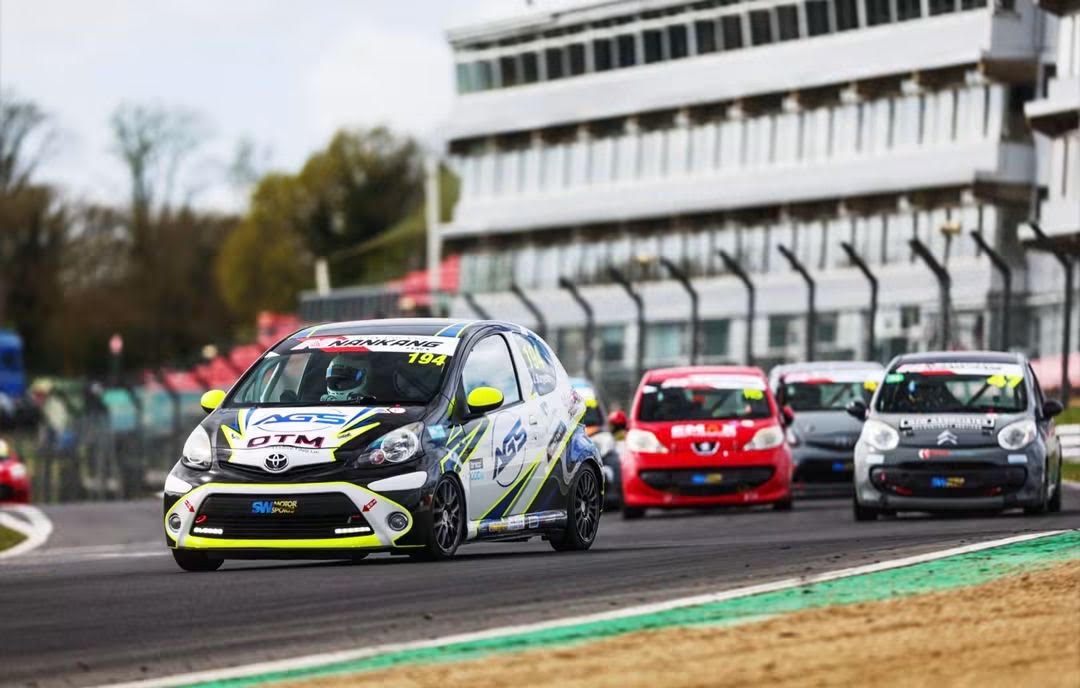
So, here we are today. I'm 16 now, and I'm taking on my biggest challenge yet: a full season in the highly competitive BRSCC City Car Cup.
This is a massive step up from the Fiestas because I'm no longer just racing against other teenagers. I'm on the grid as one of the youngest drivers, racing directly against grown adults and proper track veterans who have been doing this since before I was even born. Taking on a full season in the City Car Cup comes in at around £30,000 to £35,000.
The City Car Cup is a completely different beast. It is pure, bumper-to-bumper carnage. The cars all have exactly the same power, which means you can't just rely on a fast engine to bail you out. Pure driver skill, racecraft and bravery are the only things that matter. You cannot make a single mistake. If you miss the apex by an inch, or get a bad exit out of a corner, three guys will catch your slipstream and blow right past you before the next braking zone. You have to be locked in, 100% focused, from the moment the lights go out until you see the chequered flag.
And truthfully? I absolutely love it. We hit the ground running this season, shocking a lot of the older guys by bagging multiple podium finishes and fastest laps in my rookie year. Showing up as a 16-year-old neurodivergent kid and trading paint with guys twice my age, and beating them, is ridiculously satisfying.
Because I really wanted to bring people along for this crazy ride, we recently launched my own YouTube series called Dialled In! A massive thank you to James from HRRCC Media for helping film and bring this vision to life. I was so sick of seeing motorsport on social media looking absolutely perfect all the time. Real racing isn't just shiny highlight reels and champagne. On my channel, I share raw, completely unfiltered race weekend vlogs. I take the camera into the awning when the car is broken and everyone is stressing out. I show the frantic fixes between qualifying, the arguments over setup, and the pure adrenaline of the cockpit footage. I want you guys to see the sweat, the absolute frustration of a terrible qualifying session, and the buzz of a sick overtake. It's a completely honest look behind the scenes at what actually goes into a national championship weekend.
Looking back at how far I've come, from a kid who couldn't handle the noise of a school hall to a guy who finds absolute peace doing 100mph surrounded by twenty other cars, the biggest thing I've learned is that being neurodiverse isn't a flaw. When I'm out on that tarmac, pushing a car to its absolute limits, my hyperfocus and my weirdly wired brain become my biggest advantages.
My goal now isn't just about winning championships, though that's definitely part of the plan. I want to build a platform. If you're a kid sitting in a classroom right now reading this, feeling totally overwhelmed, frustrated, and like nobody gets you because of your Autism, ADHD or Tourette's, I want you to know that you can chase whatever mad dream you have. If my story shows even one person that they can carve out their own path in the world, no matter what a doctor wrote on a piece of paper, then every crash, every drop of sweat, and every lap is totally worth it.
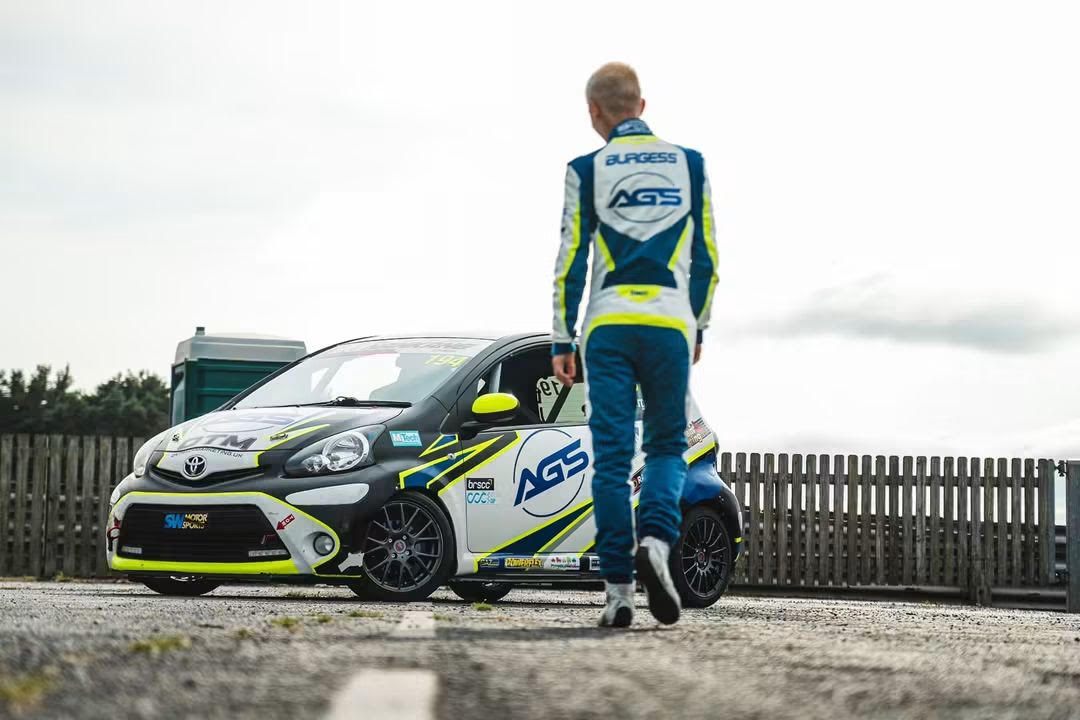
None of this would be happening without my incredible family, who backed me when things were rubbish; my team at Race Tapes, along with my driver coach and mechanics Nick, Tony and Mike (JWBird Motorsport), who build me a rocket ship every weekend; and the massive support from my sponsors, who actually make it financially possible for me to get on the grid: Lee at AGS, Alex Jones Homes, UK Leisure Parks, and OTM (On Track Marketing).
It's been a wild ride from karts to cars, but trust me… we're only just getting started.
See you on the track.
Jack Burgess (#194)